Culturally Responsive Therapy for First Nations, Métis, and Inuit Individuals in Barrie and Simcoe County
A space of genuine respect, cultural sensitivity, and deep understanding of the particular wounds — and extraordinary strengths — that Indigenous individuals and communities carry.
Culturally responsive therapy with Wanda Nayduk, Registered Occupational Therapist and psychotherapist, 39 years in practice — in Barrie, across Simcoe County, and by secure virtual session across Canada.
Healing that honours your whole story — including the parts that history tried to erase
The mental health and wellness of First Nations, Métis, and Inuit individuals cannot be understood apart from history — from the generational trauma of residential schools, from the ongoing legacies of cultural displacement and systemic harm, from the particular grief of communities that have been separated from language, land, ceremony, and identity.
Wanda offers therapy for Indigenous individuals in Barrie and Simcoe County — and by virtual session across Canada — that holds this history with deep respect, that understands intergenerational trauma at the level where it lives, and that creates a space of genuine safety, cultural sensitivity, and authentic human care.
First consultation is free
Areas of focus
- Intergenerational and historical trauma — including residential school legacy. What was done to a parent or a grandparent does not stay in their generation; it is carried forward in silences, in patterns, and in the body.
- Cultural identity and the healing of cultural disconnection — for those who were separated from their culture, or grew up at a distance from it, and are finding their way back.
- Grief and loss — including community loss, cultural loss, and the particular losses of Indigenous experience. Some losses are personal; some belong to a whole community, and are grieved alongside it. See also grief counselling.
- Addiction and substance use — with trauma-informed, culturally responsive approaches that begin with what the substance was helping you survive.
- Mental health concerns including depression, anxiety, PTSD, and complex trauma.
- Family and relational healing — within the context of intergenerational trauma patterns, so that what was handed down can be understood rather than repeated.
- Spiritual dimensions of healing — with respect for Indigenous spiritual traditions and practices. Your spirituality belongs to you, and it is welcome in this room on your terms.
- Life transitions and identity — including navigating multiple worlds and reclaiming heritage.
What this can feel like
The wounds Indigenous people carry are often not theirs alone, and the words for them are not always the words a clinic uses. Some of what you may recognize:
- A grief that seems older than you — for a language you were never taught, a ceremony you were kept from, a land you were moved off, a name that was changed
- A parent or grandparent who came home from residential school and never spoke of it, and a family shaped by that silence
- Anger, numbness, or a body that stays on guard, without a single event to point to
- Living in two worlds and belonging fully to neither
- Reaching for alcohol or something else to quiet what has no other outlet
- Being asked, in clinical settings, to explain your history and your culture before you can be helped
- Reclaiming your heritage as an adult, and the mixture of pride, grief and uncertainty that comes with it
- Wondering whether a therapist outside your community can be trusted with any of this
None of this is a flaw in you. It is history, held in a person — and what history has done, healing can begin to answer.
A culturally responsive approach
Every session is with Wanda herself. The approach is chosen with you rather than applied to you.
Humility, respect, and ongoing learning. Wanda approaches this work with humility, respect, and a commitment to ongoing learning. She recognizes that her role is not to impose a Western clinical framework on experiences that require a much more nuanced and culturally aware understanding.
Trauma-informed, and responsive to what is historical. She draws on trauma-informed approaches that are responsive to the specific nature of historical and intergenerational trauma. Wanda’s 39 years of practice mean that trauma of this depth can be worked with at the pace it requires — safety and steadiness first.
The whole of your experience, untranslated. She creates a space in which Indigenous clients can bring the full breadth of their experience — cultural, spiritual, historical, and personal — without needing to translate or explain it away.
Alongside, not instead of. For many people, healing also happens in ceremony, with Elders, and in community. This work is offered alongside those, with respect for Indigenous spiritual traditions and practices, and never as a replacement for them.
What sessions look like
The first consultation is free. It is a conversation, not an intake interview — a chance to say some of it out loud and to see whether this feels like the right fit. There is no obligation to continue.
Sessions are available in person in Barrie at 80 Bradford Street, Suite 801 (Entrance Door 3), and by secure video or telephone across Canada. For those living in community, further out in Simcoe County, or beyond, virtual sessions mean the work does not depend on a drive into Barrie. Current rates are on the fees page.
This page is educational and is not a substitute for emergency care. If you are in immediate danger, call 911 or go to your nearest emergency department. In Canada, the Suicide Crisis Helpline can be reached by calling or texting 988, at any hour.
Related areas of support
Frequently asked questions
First Nations and Indigenous therapy in Barrie and Simcoe County
Wanda’s office is centrally located in Barrie and is used by clients from across Simcoe County, including Orillia, Midland, Innisfil, Angus, Bradford, Bracebridge and Gravenhurst. For those further out, or for anyone who would rather not drive after a difficult hour, secure virtual sessions are available across Canada.
If you are ready, the first conversation is free. You can reach Wanda at 705-321-4297, by email at wandanayduk@gmail.com, or through the contact page. There is no need to have the words ready first.
You don’t have to carry this alone
The first conversation is free and there is no obligation. Call 705-321-4297, email wandanayduk@gmail.com, or use the contact form — Wanda replies personally.
Recent writing

The Moment We Begin to Heal: Why Change Starts in the Quiet
There is always a moment which is often quiet, subtle and almost invisible, when something inside us begins[...]
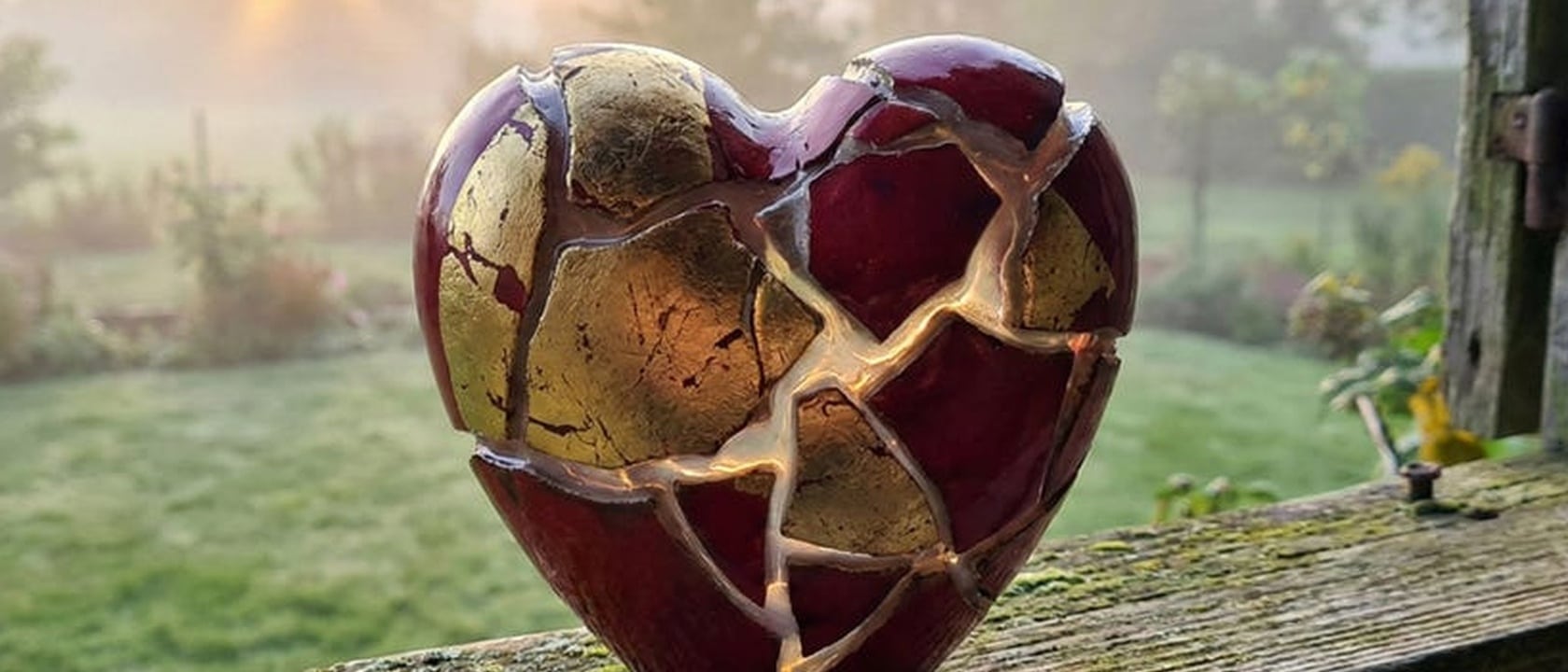
The Beauty of a Broken Heart
From a morning journal, written in the quiet hours of grief and grace Some endings do not arrive[...]
The Quiet Wisdom of the Dark Forest
December can be a difficult month for many of us—especially when the world insists we should feel light,[...]